
How To Avoid Clutter During Extended Travel Plans
Extended travel offers a chance to explore new destinations, create lasting memories, and step away from everyday routines. Unfortunately, long trips can also create clutter that follows travelers from one destination to the next. Overpacked bags and unnecessary purchases often make travel more stressful than it needs to be.
With a thoughtful approach, travelers can stay organized and focus more on the adventure ahead. Learn how to avoid clutter during extended travel plans to keep the trip running smoothly.

Why Does Clutter Build Up So Quickly During Travel?
Many travelers pack based on “what if” scenarios instead of actual needs. A single extra jacket may not seem like a problem, but several unnecessary items quickly consume valuable space. Travelers often bring duplicates, rarely used accessories, and clothing that never leaves the suitcase. These items add weight and make it harder to find essentials.
Clutter also accumulates during the trip itself. Souvenirs, brochures, snacks, and travel supplies often pile up without much notice. Busy schedules make it easy to toss items into bags without organizing them. Before long, travelers spend more time searching for things than enjoying their destination.
Clutter can also create unnecessary delays during transportation and lodging transitions. Travelers who maintain organized bags can move through airport security, hotel check-ins, and roadside stops more efficiently. Quick access to important items, such as identification, chargers, medications, and travel documents, reduces stress during busy travel days. Better organization often leads to smoother travel experiences from start to finish.
How Can Smart Packing Prevent Clutter?
Packing with intention remains one of the best ways to avoid clutter. Travelers should build outfits around versatile clothing that works in multiple settings. Neutral colors and lightweight layers allow for flexibility without filling every corner of a suitcase. A focused packing list also eliminates impulse decisions before departure.
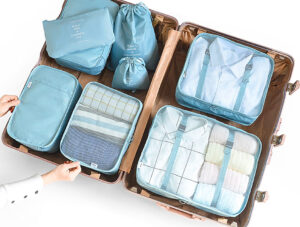
Packing cubes provide another effective solution. These organizers keep clothing categories separated and make unpacking much easier. Instead of digging through an entire suitcase, travelers can quickly access exactly what they need. Organized luggage reduces frustration and saves time throughout the trip.
Many experienced travelers follow a simple rule. If an item serves only one purpose and offers little value, it stays home. This mindset shift maintains a manageable packing strategy without sacrificing comfort.
Create Dedicated Storage Zones
Organization becomes easier when every item has a designated place. Travel bags should include specific areas for electronics, toiletries, clothing, documents, and personal items. When travelers return items to the same location, clutter has fewer opportunities to develop. Consistency often makes the biggest difference.
This strategy works especially well during road trips and RV travel. Families who spend weeks on the road often face limited storage space. Clear organization prevents the vehicle from feeling crowded and chaotic. A tidy travel environment also creates a more relaxing experience.
For travelers using trailers, organization becomes even more important. Many experienced travelers share living quarters trailer storage tips for long trips that focus on maximizing vertical space, using storage bins, and limiting duplicate items. These practices maintain comfort without overwhelming the available space.

Essential Ways To Reduce Travel Clutter
Simple habits can keep clutter under control throughout an extended trip:
- Review luggage before leaving each destination.
- Use packing cubes for organization.
- Limit souvenir purchases to meaningful items.
- Store documents in one secure location.
- Keep a designated laundry bag.
- Donate or discard items no longer needed.
These small habits can prevent clutter from accumulating day after day. They also make transitions between destinations much smoother.
How Can Travelers Manage Purchases on the Road?
Travel often encourages spending on gifts, local products, and unique finds. While souvenirs preserve memories, they can also create storage challenges. Travelers should establish limits before making purchases. Thoughtful buying decisions maintain space and reduce unnecessary baggage.

One useful approach involves choosing practical souvenirs. Local food products, small handcrafted items, or wearable keepsakes often require less storage than bulky decorations. Digital souvenirs, such as photographs and travel journals, preserve memories without taking up physical space. The experience itself often becomes the most valuable keepsake.
Travelers should also evaluate purchases before packing them away. Some items lose their appeal shortly after purchase. Taking a moment to assess value can prevent unnecessary clutter from following you home.
Maintain a Daily Organization Routine
A few minutes of daily maintenance can prevent major clutter problems. Travelers should return items to their proper locations each evening. This habit keeps living spaces functional and reduces the chance of losing important belongings. Daily organization feels much easier than a major cleanup later.
Laundry management also plays an important role. Dirty clothing can quickly spread throughout a vehicle, hotel room, or rental property. A dedicated laundry bag can separate worn items from clean clothing. This simple system reduces confusion and keeps belongings organized.
I have found that a nightly reset works especially well on longer trips. Taking 10 minutes to organize gear and prepare for the next day eliminates many common travel frustrations. Small, simple routines often deliver the biggest rewards.
Why Does Clutter Affect the Travel Experience?

Clutter creates more than physical inconvenience. It can also contribute to mental stress and decision fatigue. Travelers who constantly search for missing items waste valuable time and energy. Organized spaces support a more relaxed and enjoyable travel experience.
A clutter-free environment allows travelers to focus on destinations rather than belongings. Whether exploring a national park, visiting a historic town, or enjoying a weekend getaway, organization keeps attention on the experience itself. Less clutter often creates more freedom to enjoy the journey.
Families especially benefit from organized travel systems. Parents can locate essentials quickly and spend less time managing belongings. Children also adapt more easily when routines and storage systems remain consistent. Everyone enjoys a smoother trip when organization becomes a priority.
Avoiding clutter during extended travel plans is simple. Smart packing, dedicated storage zones, careful purchasing decisions, and daily organization habits can prevent clutter from taking over the journey. Travelers who stay organized often enjoy greater flexibility and less stress along the way. By managing belongings intentionally, families can focus on discovering new places and creating memorable experiences throughout the United States.