
How I Plan Weekend Trips During Fire Season
 I used to think fire season only mattered if we were heading deep into the mountains or planning a full camping trip. Now, it is one of the first things I think about before any summer or early fall weekend away.
Over time, I have changed how I plan weekend trips during fire season. That does not mean we stop traveling. A free weekend is too valuable to give up without a good reason. It just means I leave a little more room for the plan to change.
Before I book the hotel or promise the kids a full day, I take a few extra minutes to make sure the trip still makes sense. For our family, the goal is not to plan around fear. It is to enjoy the weekend without being caught off guard.
I Check Local Conditions Before I Commit
The first thing I do is look at the area itself. Is anything nearby affected by active fires, heavy smoke, closures, or local restrictions? Are the parks, lakes, trails, and campgrounds actually open and comfortable to visit?
This step matters because it is easy to get attached to a plan too quickly. I might see a cute cabin or a mountain town with the perfect Saturday itinerary and want to book it right away. During fire season, I try to slow down before I commit.
A destination can still be beautiful and worth visiting, but the timing may not be right for the activities we had in mind. If the best part of the trip is supposed to be hiking, biking, fishing, or spending most of the day outside, I want to know whether the conditions support that kind of weekend.
I Confirm Fire Rules Before I Plan Meals
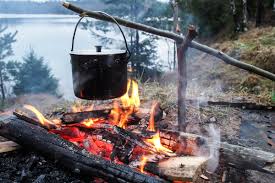
Food is one of the easiest parts of a weekend trip to plan ahead of time. I love the idea of a campfire dinner, coffee outside in the morning, or s’mores at the end of the night. During dry conditions, though, those plans may not be allowed.
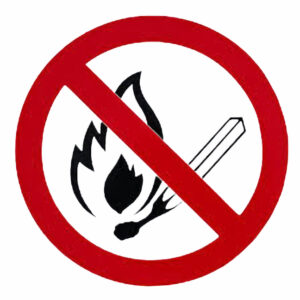 Before I plan campfire meals or book a campground, I review the local rules and review a few fire-safe outdoor habits so our family knows what to avoid when conditions are dry.
That one small check can change the way I pack. If campfires are restricted, I do not want to arrive with a cooler full of food that depends on flames. If grills are limited, I want to know that before dinner time. If the campground has special rules, I would rather read them at home than learn them after we pull in.
It is not about making the trip less fun. It is about making sure the fun still works when we get there.
I Keep One No-Flame Meal Plan Ready
One of my easiest fire-season travel habits is keeping a no-flame meal idea in my back pocket. It does not have to be fancy, and it definitely does not have to feel like emergency food.

For our family, that might mean sandwiches, pasta salad, fruit, chips, and something sweet from a local bakery. It might mean breakfast wraps made ahead of time or a plan to pick up pizza after a day outside.
This keeps the weekend feeling relaxed instead of restricted. Nobody feels like the trip is ruined because we cannot have a campfire meal. We just shift the plan and keep going.
I Check Air Quality Before I Set the Pace
Fire season does not always mean flames are nearby. Sometimes the bigger issue for travelers is smoke. Even if a destination is open and safe to visit, the air can change how much time we want to spend outside.
Before we leave, I check the air quality the same way I check the weather. If things look good, we keep our original plans. If the air looks questionable, I adjust the pace. Maybe we take a shorter hike in the morning, skip the strenuous trail, or choose a scenic overlook instead of an all-day outdoor activity.
If the air looks poor, I start looking for indoor options. A small museum, local restaurant, historic site, aquarium, nature center, or downtown shopping area can save the day.
I Choose Destinations With More Than One Kind of Fun
During fire season, I try not to choose destinations that are “all outdoors or nothing.” I still love cabins, lakes, state parks, and mountain towns, but I look for places with a mix of activities.
A great weekend destination might have trails and a walkable downtown. It might have a lake and a children’s museum nearby. It might offer scenic drives, local restaurants, antique shops, historical stops, or a festival happening in town. That mix matters because it gives the trip room to bend. If the trail is too smoky, we can explore downtown. If the campground has restrictions, we can still make dinner fun somewhere local. If the afternoon gets hazy, we can move the outdoor activity to the morning and save something indoors for later.
The best short trips are not always packed with plans. Sometimes they work because there are enough good options to choose from.
I Keep the Drive Flexible
When we only have a weekend, I do not want to spend the whole time in the car. I usually look within a reasonable driving radius, but during fire season, I also keep a second option in mind.
If our first-choice destination has smoke, closures, or restrictions that make the trip less appealing, I want another place we can reach without starting over completely. That might mean a different state park, a nearby lake town, or a small city with more indoor attractions.
That is really how I plan weekend trips during fire season: I give us enough structure to feel excited and enough flexibility to change course if we need to.
I Share the Backup Plan Before We Leave
 I have learned that kids handle changes better when they know the trip is not falling apart. If I wait until the last minute to explain that we cannot have a campfire or that the hike might change, it feels like bad news. If I mention the backup plan early, it feels like part of the adventure.
I might say, “If we cannot do s’mores outside, we’ll find ice cream in town.” Or, “If the long trail does not work, we’ll do the shorter walk and visit the nature center.” Simple swaps keep the mood positive.
That mindset helps the adults, too. A changed plan does not have to mean a failed weekend. Sometimes the backup plan becomes the story everyone remembers.
I Know When To Change Course
The hardest part of planning during fire season is knowing when to choose another option. I try to be realistic. If the air quality is poor, if outdoor activities are limited, or if local officials are asking visitors to stay away from certain areas, we pick another plan.
 That does not mean the weekend is lost. It might mean choosing a more urban destination, delaying a campground trip, or heading somewhere with better conditions. It might mean trading a hiking weekend for a food-focused small-town escape.
I still want our family to explore, relax, and enjoy the short breaks we get. Fire season simply reminds me to check before we go and leave enough room in the plan to adjust.
A good weekend trip is not always the one that goes exactly as planned. Sometimes it is the one that adjusts well.