 Extended Weekend Getaways
By Kathy Barnett
Editor-In-Chief
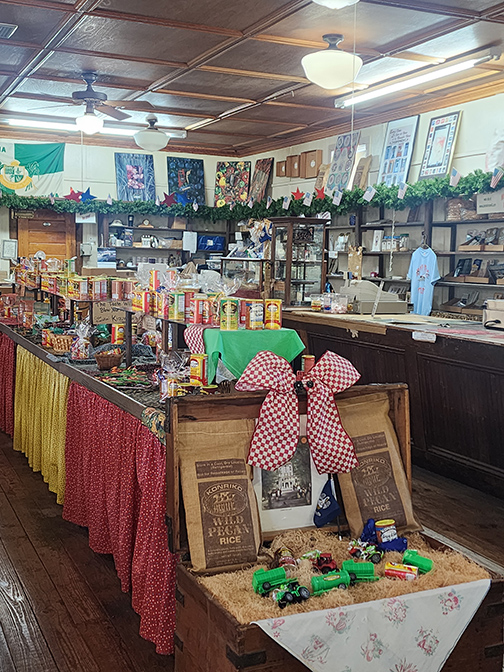 There are places you visit, and then there are places that quietly explain an entire region to you long after you’ve left. The KONRIKO Conrad Rice Mill in New Iberia, Louisiana, falls firmly into the second category.
Housed in a 1912 structure still operating today, KONRIKO / Conrad Rice Mill is the oldest continuously operating rice mill in the United States. But what makes it compelling is not just its age—it is the way it reveals how deeply rice is woven into the land, the economy, and the culture of south Louisiana.
Taken alone, it is a tour of machinery. Taken as part of a wider weekend journey, it becomes a doorway into an entire region.
The experience begins in New Iberia, a historic bayou town where moss-draped oaks, slow waterways, and wrought-iron balconies set a tone that immediately slows the pace of travel.
This is a place best understood by staying overnight rather than passing through.
Lodging in the area is practical and comfortable, with properties such as the Hampton Inn & Suites New Iberia Avery Island Area and the Best Western Heritage Inn & Suites serving as convenient bases for exploring both the mill and the surrounding region.
Dinner in New Iberia offers the first real introduction to local food culture. At places like Bon Creole Seafood and Jane’s Seafood & Chinese Restaurant, rice is not an accessory—it is structure. It supports sauces, seafood, and stews that define Cajun cooking, grounding the traveler in the culinary logic of the region before the mill tour even begins.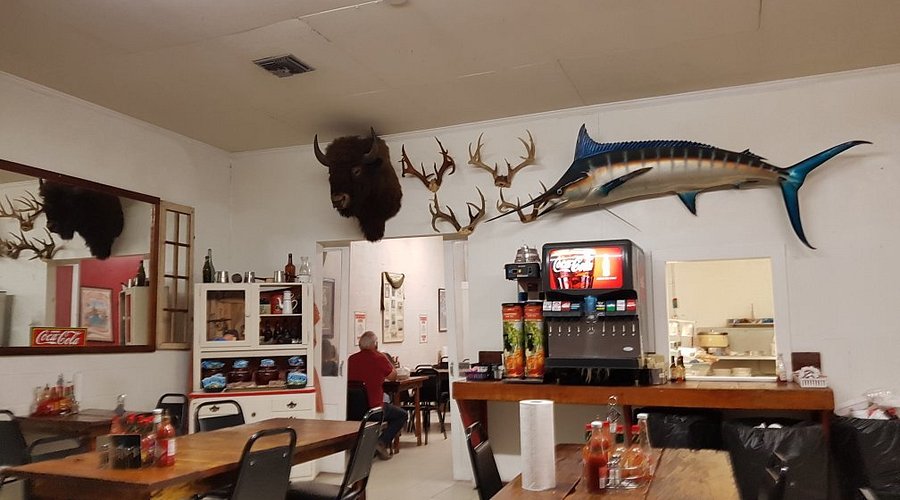
At KONRIKO, the scale of Louisiana agriculture becomes visible in motion.
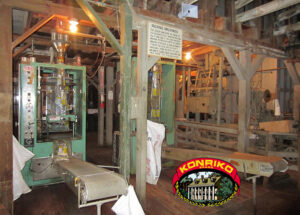
18-wheelers roll across industrial scales, delivering rough rice harvested from fields spread across southwest Louisiana. Each load is weighed before and after unloading, a quiet calculation that determines yield, value, and the continuation of a system that has defined the region for generations.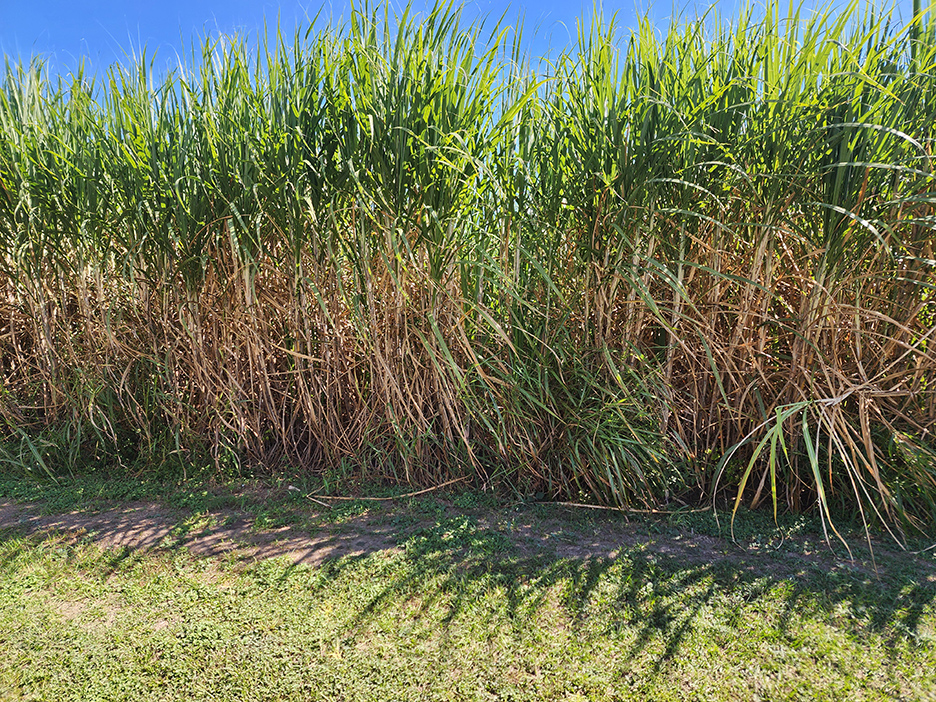
Nearby storage bins hold up to a million pounds of rice, stabilizing the flow between harvest and production. Inside the mill, a structure largely unchanged since 1912, rice moves through a sequence of transformation that is both mechanical and deeply efficient in its use of every byproduct.
Hulls become mulch and bedding. Bran becomes deer feed. Broken grains are redirected into brewing and poultry production. Nothing in the process exists without purpose.
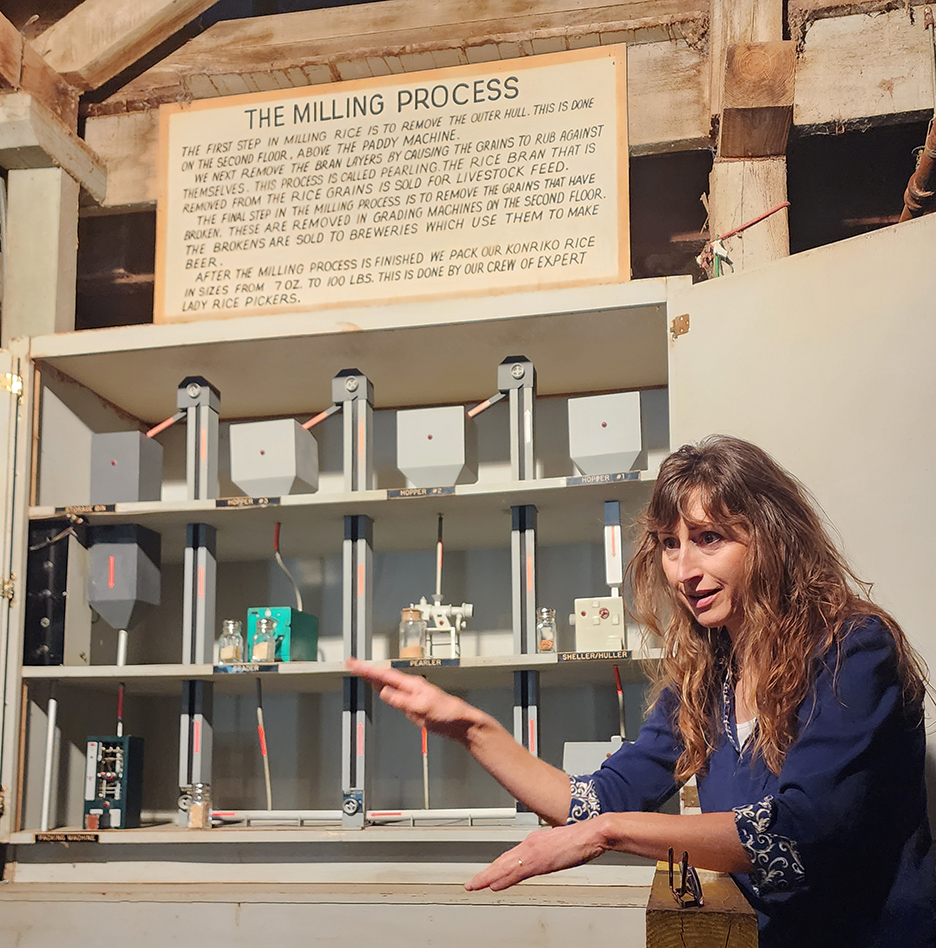
One of the mill’s signature products, Wild Pecan Rice, reflects this balance—an aromatic long-grain rice with partial bran retention that cooks quickly while maintaining a distinctly nutty character.
The visit ends where history is formally recognized, beneath the plaque marking the mill’s placement on the National Historic Register in 1981.
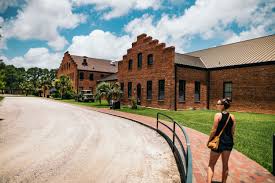
Just minutes from New Iberia, the landscape shifts again on Avery Island, home to the world-famous TABASCO® brand.
At the TABASCO Brand Factory, the experience expands from regional agriculture into global food culture. The factory tour and museum trace how a small Louisiana operation became an internationally recognized brand, still rooted in the same island where its peppers are grown and processed.
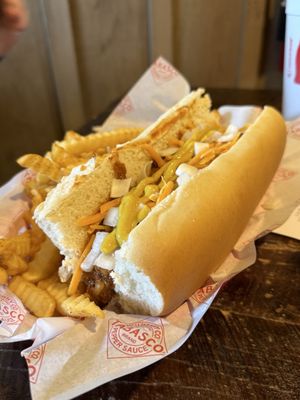
Lunch at the onsite diner completes the visit in a way that feels intentional rather than incidental—food experienced at the source of its identity.
Outside, the Jungle Gardens offer a quieter counterpoint, with winding paths, water features, and dense subtropical plantings that soften the industrial narrative of the factory.
From Avery Island, the journey continues to Jefferson Island and the Rip Van Winkle Gardens, where Louisiana’s landscape reveals an entirely different kind of story.
Rip Van Winkle Gardens overlooks Lake Peigneur, a body of water permanently transformed by a 1980 drilling accident that caused a salt mine collapse beneath its surface. In a matter of hours, the lake reversed direction, draining into the mine system and pulling barges, land, and part of the surrounding terrain with it before eventually refilling with saltwater from the Gulf.
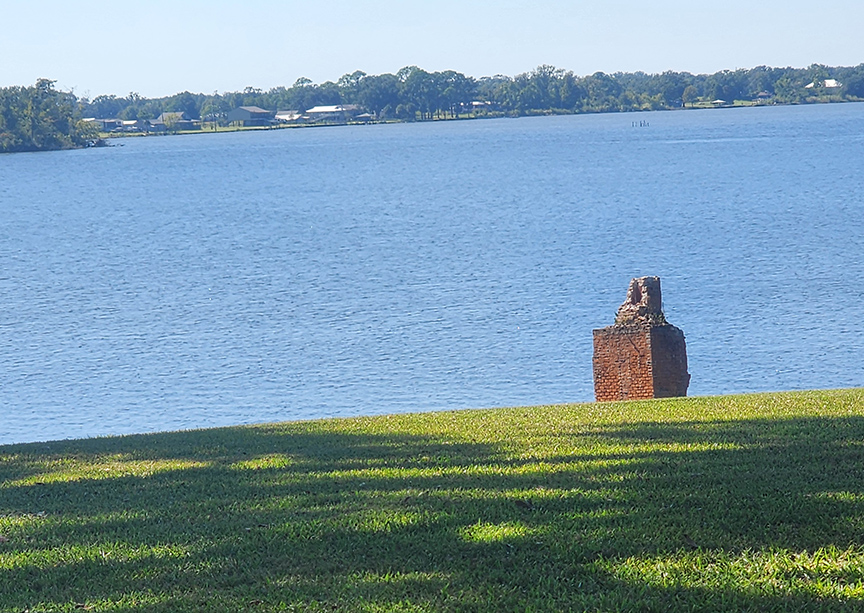
Today, the gardens sit above that altered landscape—lush, calm, and almost surreal in contrast to the history beneath it.
Within the property stands the historic Jefferson Mansion, once home to actor Joseph Jefferson, whose portrayal of Rip Van Winkle inspired the estate’s name. The mansion adds a human dimension to an otherwise geological story, anchoring the site in both cultural and natural history.
A small gift shop and interpretive displays help frame the experience, but the most powerful moment comes from the overlook itself—where beauty and disruption coexist in the same view.
By the time the journey reaches Lafayette, the story of the weekend has already expanded far beyond rice.
Here, Cajun and Creole cuisine become the final expression of everything seen along the way. Rice is no longer something observed or explained—it is something lived.
From traditional seafood houses to modern interpretations of regional cooking, Lafayette reinforces the continuity between land, agriculture, and table that defines the entire region.
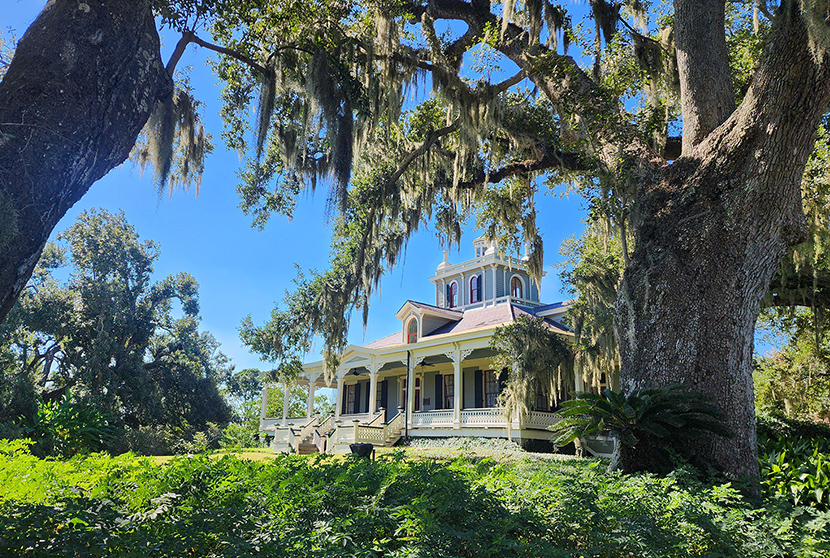
What begins as a visit to a historic rice mill ultimately becomes something broader: a weekend shaped by agriculture, global food culture, geological surprise, and the everyday resilience of a region that turns landscape into identity.
And KONRIKO remains at the center—not as a single attraction, but as an entry point into understanding how deeply Louisiana’s story is tied to what grows, flows, and is made from the land itself.
If You Want to Go
This experience is best explored as an extended weekend through New Iberia, Avery Island, Jefferson Island, and Lafayette. A detailed planning version of this journey—complete with lodging, dining, and day-by-day structure—is available in our Extended Weekend Itineraries section of the Tour Guide.