 Extended Weekend Getaways
  The road begins quietly in St. Louis, where the Mississippi River meets the towering Gateway Arch—a symbol of journeys past and those still waiting to be taken. From there, Route 66 stretches westward across Missouri, unfolding mile by mile through the places and moments that shaped America’s most iconic highway. What emerges along the way is more than a drive—it’s a living timeline, where history isn’t just remembered, but still experienced in the communities that line the road today.
St. Louis: Gateway to the West
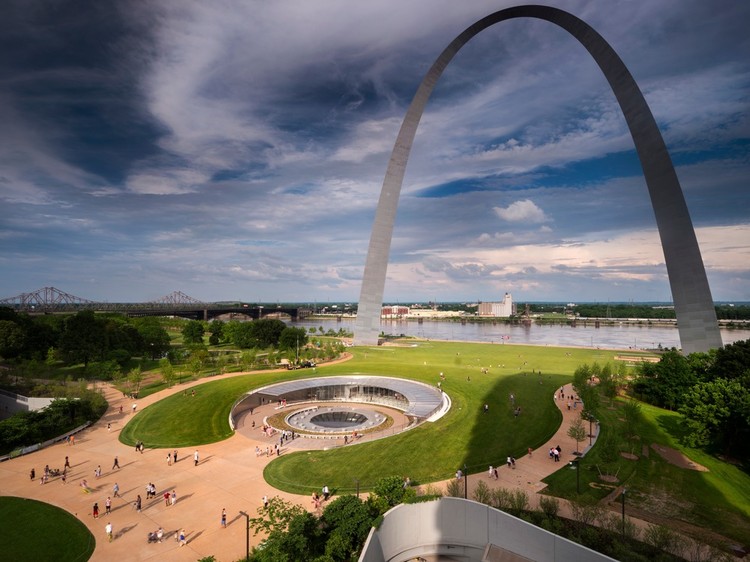 St. Louis has long been known as the Gateway to the West, and it is here that many journeys along Route 66 begin. The city’s riverfront and iconic Gateway Arch set the tone for a road trip rooted in exploration, transition, and possibility.
Before the highway ever carried its famous name, St. Louis already symbolized movement—westward expansion, new opportunity, and the spirit of travel that would later define Route 66 itself. Leaving the city, the urban skyline gradually gives way to open road, marking the true beginning of the Mother Road experience.
Rolla: Where the Road Was Completed
 Further along the route, Rolla offers one of the most meaningful yet often overlooked chapters in Route 66 history. While Springfield is frequently associated with the naming of the highway, Rolla holds a pivotal role in its physical completion across Missouri.
At the historic Edwin Long Hotel, the final portion of Route 66 in the state was paved, culminating in a ribbon-cutting ceremony that drew an estimated 8,000 people—a remarkable gathering for the time and a defining moment in the road’s development.
Today, that legacy is carefully preserved and shared with visitors who pass through. Local leaders emphasize the importance of maintaining the emotional connection to the past, ensuring travelers understand not just where they are, but what this road once meant to the communities it linked.
“The top thing we want travelers to leave with is an appreciation for nostalgia,” said Aimee, with the Rolla Convention & Visitors Bureau. “We don’t want people to lose the connection to the past.”
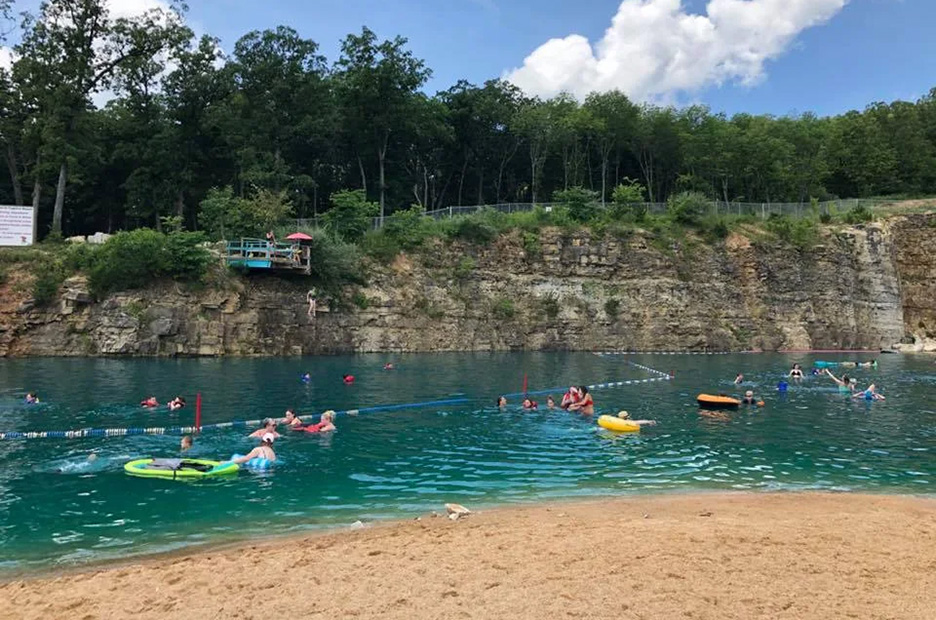
That connection extends beyond history alone. Modern-day Rolla offers unexpected experiences that continue to draw travelers off the highway. Fugitive Beach transforms a former rock quarry into a seasonal recreation destination with sandy shoreline areas, water slides, and striking rock formations that attract visitors from across the Midwest when it opens each year on May 23.
For those interested in the arts, the Ozark Actors Theatre brings professional theatrical productions to the region, with performances such as The Addams Family, Young Frankenstein, and Dracula, adding a cultural layer to the Route 66 experience in Rolla.
Springfield: Birthplace of the Mother Road
 As the road continues west, Springfield lays claim to one of the most defining moments in Route 66 history—the naming of the highway itself.
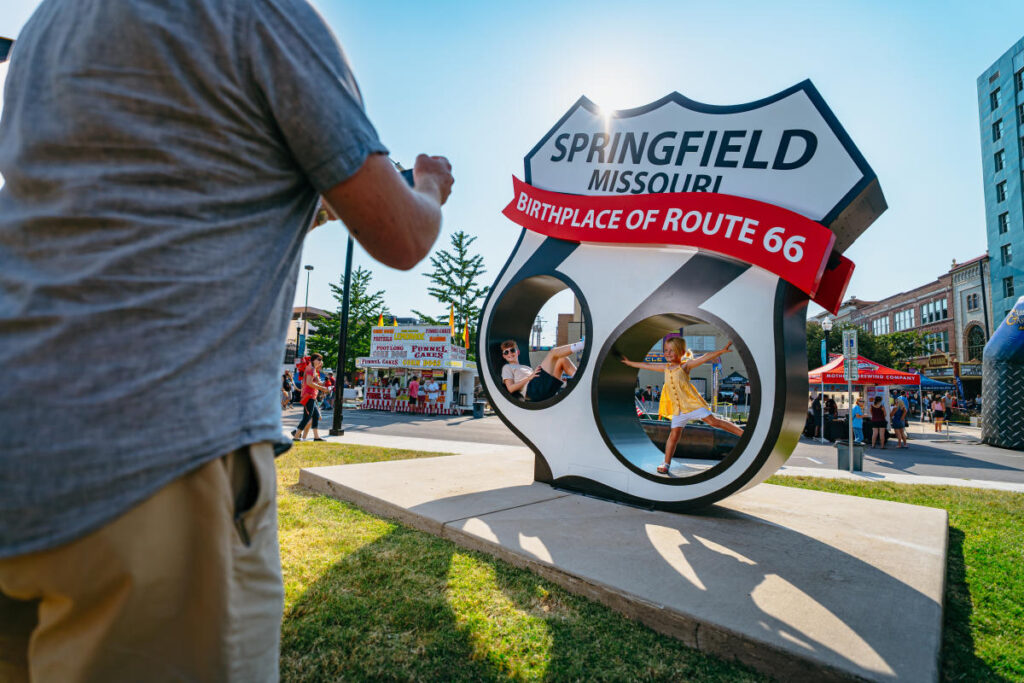
In 1926, civic leaders including members of the Rotary Club helped shape the identity of the route when a telegram was sent from Springfield to Washington, D.C., proposing the now-iconic “66” designation. That moment secured the city’s place in history as the Birthplace of Route 66, a legacy it continues to honor today.
But Springfield’s connection to Route 66 is not confined to history books—it remains visible and tangible for travelers exploring the city.
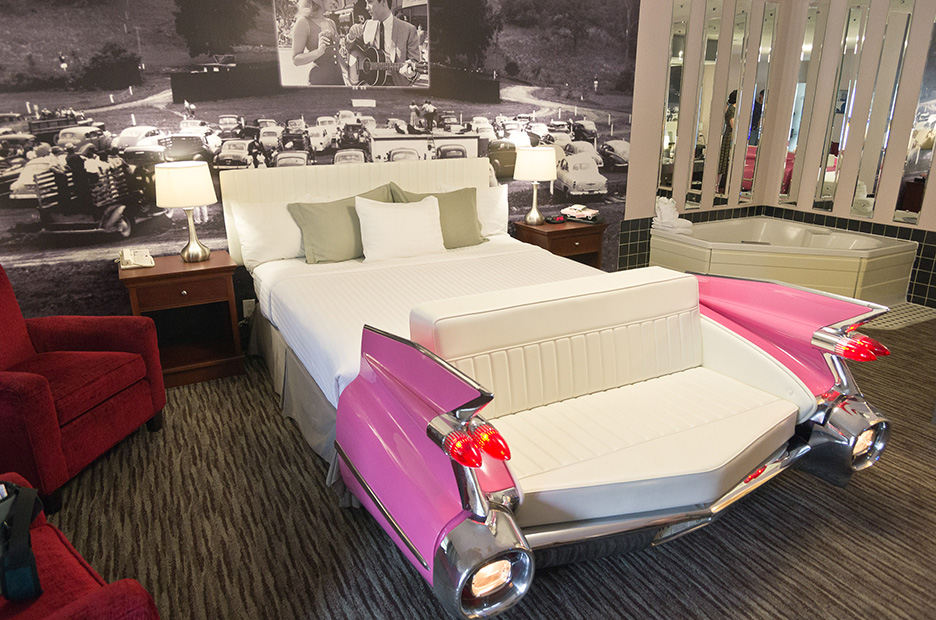
Classic roadside lodging still welcomes guests, including restored motor courts that reflect the golden age of travel. The Best Western Route 66 Rail Haven is especially notable for its preserved Elvis Presley room, marking a stay by the music icon during his 1956 travels.
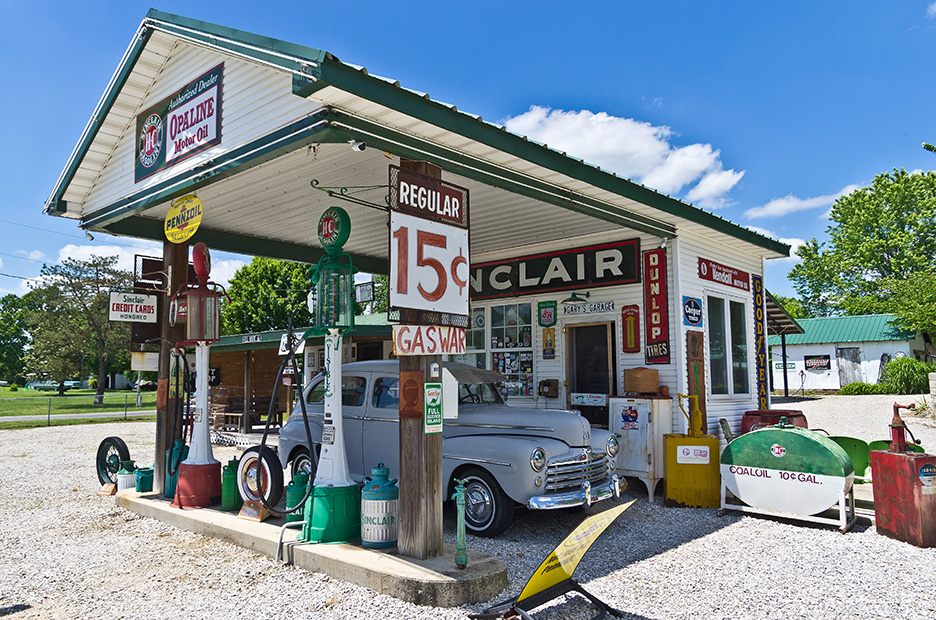
Automotive history is also front and center at the Route 66 Car Museum, where a curated collection of vintage and classic vehicles showcases the evolution of American road travel.
Springfield brings the story of Route 66 into the present through a series of events and experiences that celebrate its heritage. Visitors can enjoy a classic car parade, live music, and street fair atmosphere, along with the rededication of the historic Jefferson Avenue Footbridge—a landmark reconnecting parts of the city. A themed passport program encourages exploration of multiple stops, while events such as the Telegraph Ball pay tribute to the 1926 communication that helped define the highway’s name.
As the road stretches beyond Springfield, the landscape opens up and the stories shift once again—leading travelers toward a region where the legacy of Route 66 is shaped not only by the road itself, but by the land beneath it and the lives it once touched.
Joplin: Stories Set in Stone
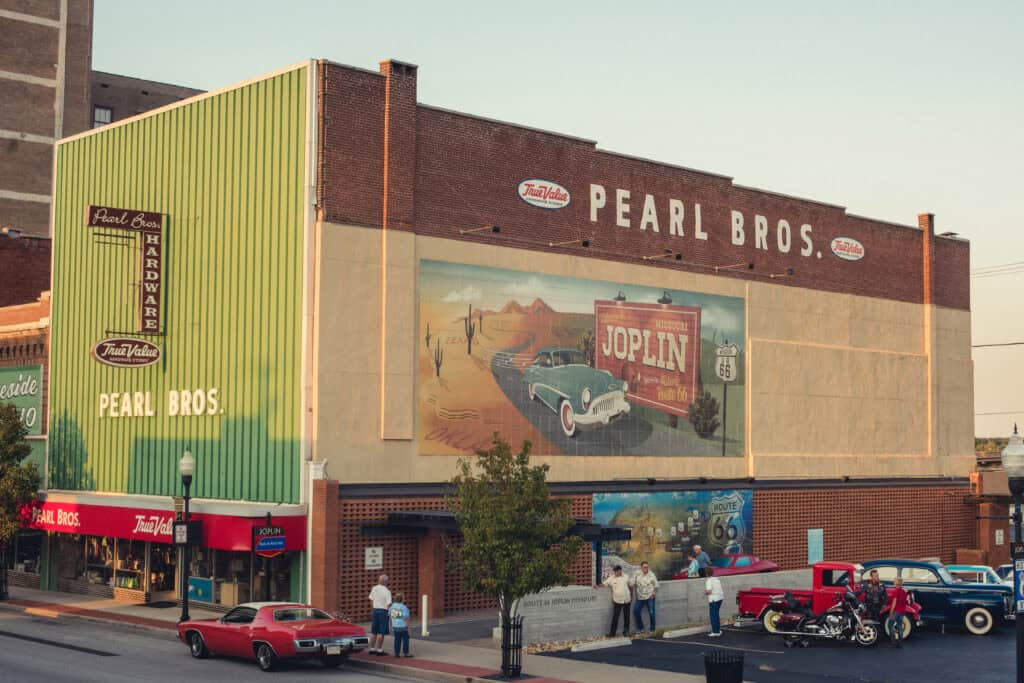 At the western edge of Missouri, Joplin offers a final chapter shaped by industry, history, and unexpected discovery.
Rooted in a strong mining heritage, Joplin reveals a deeper layer of Route 66 history—one that extends beyond the highway and into the ground itself. At the Joplin History & Mineral Museum, visitors encounter an eclectic collection that reflects both natural history and human stories intertwined.
Exhibits include woolly mammoth fossils and glowing mineral specimens that highlight the region’s geological significance. Among the most intriguing artifacts are personal items associated with the infamous outlaw duo Bonnie Parker and Clyde Barrow, left behind after they fled the city following a violent shootout.
The museum complex, made up of several smaller exhibits, captures the layered identity of Joplin—where science, history, and legend coexist under one roof.
The Road That Connects It All
Traveling Route 66 across Missouri is more than a drive—it is a journey through defining chapters of American history, preserved and interpreted by the communities that continue to shape its legacy.
From the symbolic gateway of St. Louis, to the completion point in Rolla, the historic naming in Springfield, and the layered stories of Joplin, each stop adds meaning to the miles in between.
What remains is not just the memory of the road itself, but the understanding that Route 66 is still alive—carried forward by the places that refuse to let its story fade.