 Extended Weekend Getaways
 Whether you’re exploring bustling cities, hiking in nature, or relaxing on the beach, it’s important to take steps to protect your glasses from potential damage during your travels. In this post, we’ll explore practical ways to safeguard your prescription glasses while traveling, ensuring they stay in top condition throughout your journey.
Always Use a Protective Case
The most important and effective way to protect your glasses while traveling is by using a protective case. It’s easy to forget about the potential risks your glasses face while you’re out and about, but a case provides a solid barrier against drops, impacts, or scratches that can happen during your trip.
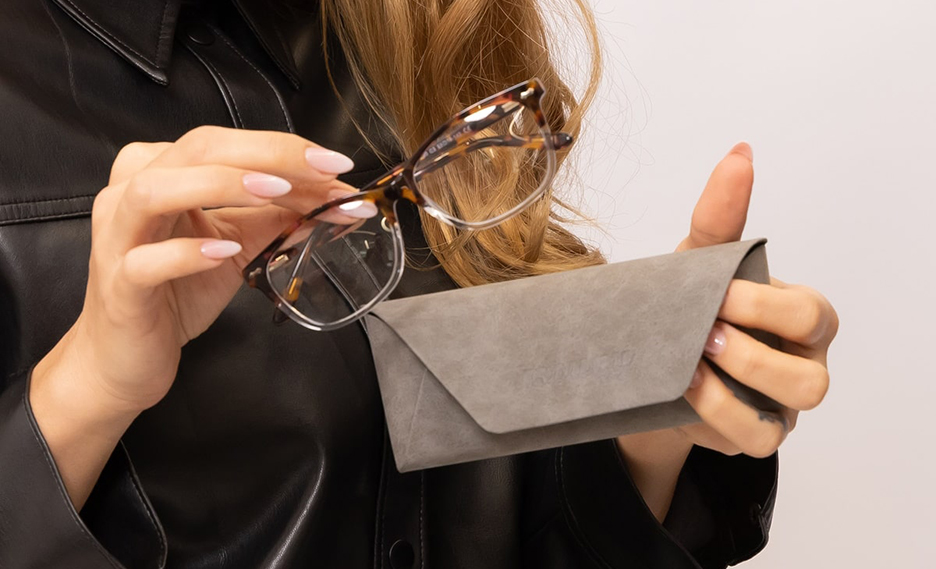 A hard case is the most protective, as it will shield your glasses from being crushed or bent if you accidentally knock them off a table or toss them in your bag. If you prefer a smaller, more portable option, a soft case can still offer some protection, but it won’t provide the same level of impact resistance as a hard one. Regardless of the type, always store your glasses in their case when you’re not wearing them, especially when traveling.
Avoid Leaving Your Glasses Unattended
It’s easy to leave your glasses lying around while traveling, but doing so puts them at risk. Whether you’re in a hotel room, at a café, or taking a break while sightseeing, never leave your glasses on soft or unstable surfaces where they might get knocked over or sit out in the open. A hotel bed or the backseat of a car might seem like an easy place to set your glasses down, but this can result in accidental damage.
 Instead, always place your glasses on a stable, flat surface or store them in a secure case. If you’re in a public space and need to temporarily take off your glasses, store them in your bag or carry case. Avoid hanging them off your shirt or leaving them on your seat where they can easily be squashed or knocked to the ground.
Be Mindful of Heat and Cold
Extreme temperatures can warp or damage your glasses, especially plastic frames and lenses with special coatings. If you’re traveling to a location with significant temperature fluctuations, it’s important to be mindful of where you leave your glasses. High heat, like leaving them in a car on a hot day or near direct sunlight, can soften plastic frames and potentially cause them to lose their shape. On the other hand, exposure to cold temperatures can make plastic brittle, increasing the risk of cracking or breaking.
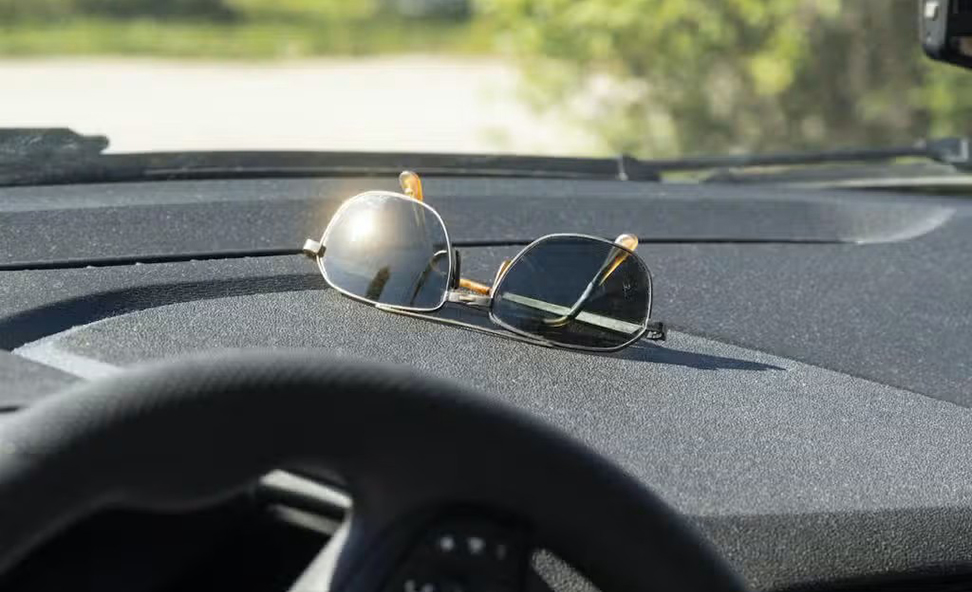 To protect your glasses from extreme temperatures, never leave them in places like the dashboard of a car or a sun-soaked spot. When you’re out in the cold, always keep your glasses in their case or store them safely in your bag. This is especially important for travelers heading to places with unpredictable weather, such as mountain trips or tropical destinations where temperatures can vary greatly throughout the day.
Keep Your Glasses Away from Chemicals
During travel, you’ll come across a variety of substances that can harm the lens coatings on your glasses. Chemicals found in sunscreen, hairspray, makeup, or cleaning solutions can leave residues that may degrade the lens quality, making them cloudy or difficult to clean.
 To prevent chemical damage, avoid applying products like hairspray or sunscreen while wearing your glasses. Additionally, always clean your glasses with lens-specific cleaning solutions instead of household cleaning agents. Many travel-sized cleaning sprays designed for eyewear are small and easy to carry in your bag, making them a convenient option for keeping your lenses clean and safe from potential damage.
Use an Eyewear Strap for Outdoor Activities
If you’re planning to engage in active outdoor pursuits during your travels, such as hiking, cycling, or participating in water sports, an eyewear strap is an invaluable accessory. These straps help keep your glasses securely on your face, even during intense movement, reducing the risk of them falling off or getting lost.
 The strap works by attaching to the arms of your glasses, securing them comfortably around your head. If you’re engaged in activities where you’re moving around a lot or might need to take off your glasses temporarily, a strap ensures they won’t slip off or get misplaced. This is particularly important for outdoor enthusiasts who might find themselves in places with limited access to eyewear repair shops or replacements.
VII. Avoid Excessive Handling
Handling your glasses too much while traveling increases the risk of accidental drops, smudges, and scratches. Though it’s tempting to adjust them repeatedly, try to avoid excessive handling, especially if you’re in a crowded area or on public transport. The less you touch your glasses, the fewer chances you’ll have of causing damage.
Additionally, when adjusting your glasses, avoid using too much force on the frames. Being gentle with how you place your glasses on your face or adjust them can prevent warping or misalignment. If you need to adjust the fit, it’s best to visit an optician, who can ensure your glasses are adjusted safely.
Keep Backup Glasses with You
When traveling, it’s always a good idea to bring a backup pair of glasses in case something happens to your primary pair. Accidents happen—your glasses might get lost, broken, or damaged beyond repair, and having a spare pair on hand can save you from a lot of frustration. A backup pair also provides peace of mind, knowing you’ll have a solution if something goes wrong.
If you wear prescription glasses regularly, it’s a good idea to have a pair that you use specifically for travel. Your backup pair doesn’t have to be expensive or fancy, but it should fit comfortably and have the correct prescription. Store your backup glasses in a separate case, so they’re easily accessible when you need them.
Clean and Maintain Your Glasses Regularly
While traveling, the accumulation of dust, sand, and other particles is inevitable. However, regularly cleaning your glasses can help maintain their condition and ensure a clear view. Carry a microfiber cloth to wipe off smudges or debris whenever needed, and take care to clean your glasses properly using appropriate lens cleaners.
If your glasses accumulate dirt or oils from your skin, don’t just wipe them with any cloth. Rinsing them with water before cleaning with a microfiber cloth will prevent dirt from scratching the lenses. Keeping your lenses clean and free from dust ensures that you won’t be wiping away particles that could damage the coating on the lenses.

Conclusion
When you’re on the go, your prescription glasses face many challenges, from the environment to the constant movement. However, with a few simple steps, you can protect your glasses while traveling and ensure they continue to serve you well for years. Always store your glasses in a hard case when not in use, protect them from extreme temperatures and chemicals, and consider adding a strap for outdoor activities. By following these tips, you can enjoy clear vision and preserve your eyewear throughout your travels. Safe travels and clear sights await—just be sure to take good care of your glasses along the way.