 Extended Weekend Getaways
 There’s nothing quite like the feeling of hitting the open road with your family for the weekend, windows down, music playing, and miles of adventure ahead. A few years ago, on our road trip, our trusty minivan started making a noise it had never made before. A few sputters later, we were stranded on the shoulder of a highway.
That stressful experience taught us some invaluable lessons. A car breakdown on a road trip can feel like a disaster, but with a clear head and a solid plan, you can navigate it safely and efficiently. I’ll walk you through the essential steps to take if you find yourself in a similar situation, helping you turn a potential catastrophe into a manageable bump in the road.
Ensure Your Immediate Safety
The very moment you realize something is wrong with your car, your first priority is safety. If you can, signal your intent and carefully maneuver your vehicle to the right-hand shoulder of the road. Pull over as far as you can, leaving plenty of space between your car and the flow of traffic. Once you’re safely off the roadway, turn on your hazard lights. This makes your vehicle more visible to other drivers, which is especially critical at night or during bad weather.
Before anyone gets out of the car, take a moment to assess your surroundings. Look for a safe place to stand away from the road, like a grassy area or behind a guardrail. Exiting the vehicle can be dangerous, so have everyone exit on the side away from traffic. Remind your children to stay close and not wander off. The shoulder of a highway is not a play area, and keeping everyone together and calm is crucial. If you’re on a busy highway or in a location where it feels unsafe to exit the vehicle, everyone should remain inside with their seat belts fastened.
Signal for Assistance
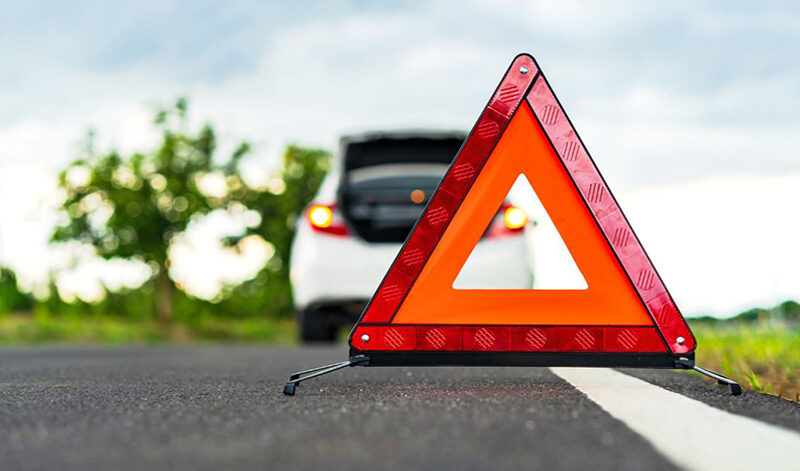
By flashing your hazard lights, you have already started signaling for help. However, you should take additional steps to increase your visibility. If you have reflective triangles or flares in your emergency kit, now is the time to use them. Place one triangle about 10 feet behind your vehicle to warn approaching drivers. Walk carefully along the shoulder, facing oncoming traffic, and place a second one about 100 feet back. If you have a third, place it even further. This gives other drivers ample warning to slow down and move over.
Once you mark your car, return to a safe spot away from the road. Do not attempt to stand in front of or directly behind your vehicle, as this puts you at risk if another car fails to see you and causes a collision.
Assess the Problem Without Risk
You might want to immediately pop the hood and diagnose the problem yourself. Unless you have mechanical expertise, this is often not the best idea, especially on the side of a busy road. A quick visual inspection can sometimes reveal a simple issue, like a flat tire. If you feel comfortable and are in a safe location to do so, you might be able to change it yourself. However, for more complex issues like smoke, strange noises, or a stalled engine, you should leave the diagnosis to a professional.

Never get under the car on an uneven shoulder or attempt complex repairs without the proper tools and knowledge. You could accidentally make the problem worse or put yourself in physical danger. Take note of any warning lights that appeared on your dashboard before the car stopped, the sounds it was making, and any smells you noticed. This information will be incredibly valuable when you call for professional assistance, as it can help the mechanic understand what might be wrong.
Contact Roadside Assistance
Once everyone is safe and your car is visible, it’s time to call for help. Your first call should be to a roadside assistance service. Many new cars come with a manufacturer-provided service, and you may have coverage through your auto insurance provider, a credit card benefit, or a membership with an organization like AAA. Keep these contact numbers saved in your phone and a written copy in your glove compartment.
When you speak with the operator, provide your exact location as clearly as possible. Use mile markers, exit numbers, or GPS coordinates from your phone to help them find you quickly. Describe your vehicle’s make, model, and color, and explain the problem as best you can using the details you observed. The dispatcher will arrange for a tow truck or a mobile mechanic to come to your location. Be sure to ask for an estimated time of arrival so you and your family know how long you will have to wait.
Arrange for Repairs and Accommodations
When the tow truck arrives, the driver will likely take your vehicle to a nearby repair shop. In some cases, you may have a choice of where to go. This is the moment where you have to find the right car repair shop that can handle your issue efficiently. You can ask the tow truck driver for a recommendation, as they often know the local shops well. A quick search on your phone for reviews can also help you make an informed decision.
While you wait for the shop to make the repairs, you will need to figure out your own logistics. If the repairs are minor and will take only a few hours, you might wait at a nearby coffee shop or do some shopping. However, if the issue is significant, you could be stranded for a day or more. In this scenario, you will need to find a hotel and a way to get there. Ask the repair shop or tow truck driver for recommendations on local accommodations and transportation options like taxis or ride-sharing services.
What I Wish I’d Known
 Reflecting on our own car breakdown on our road trip, I realize now how a little preparation could have saved us a lot of stress. That day, we were lucky. A kind tow truck driver led us to an honest mechanic, and we found a family-friendly hotel for the night. But it was a stressful, uncertain time. Now, we never leave home without a fully stocked emergency kit, a charged portable power bank for our phones, and a clear understanding of our roadside assistance plan. A breakdown is never convenient, but knowing what to do makes it a story to tell instead of a trip-ruining nightmare.